
How Long is the Annapurna Circuit Trek? Distance and Duration
15th Sep, 2026
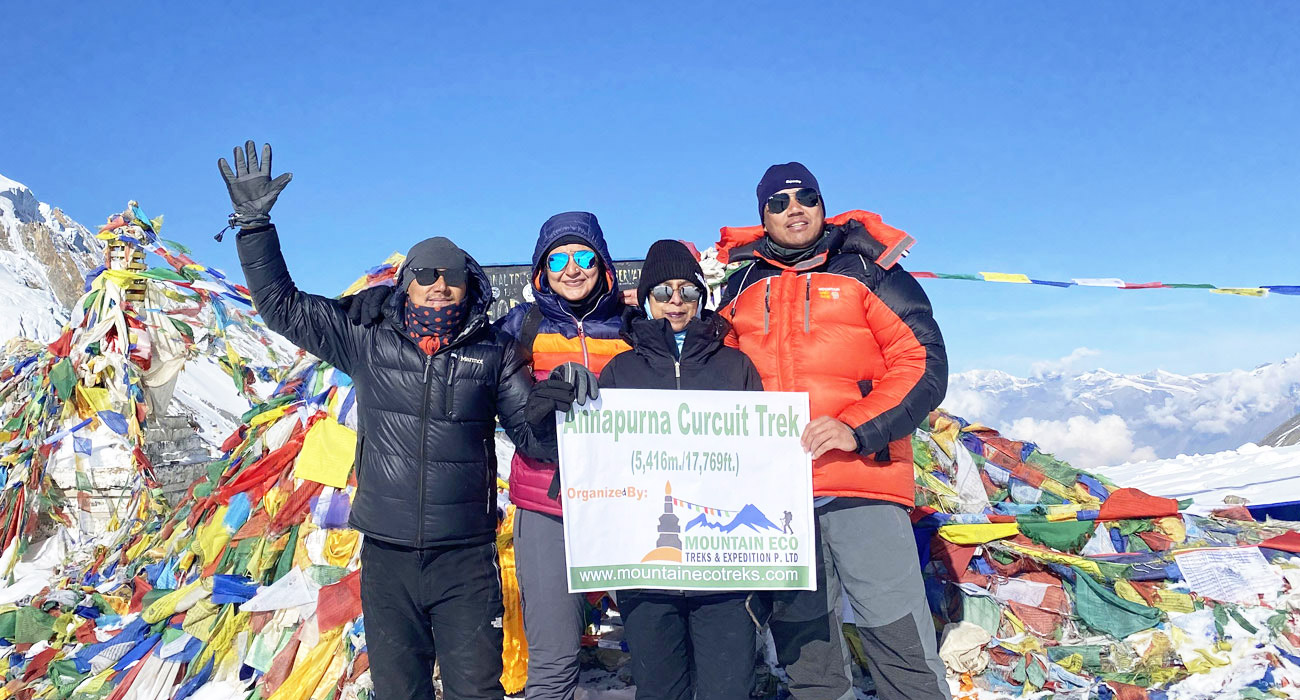
Annapurna Circuit Trek – A Classic Himalayan Adventure
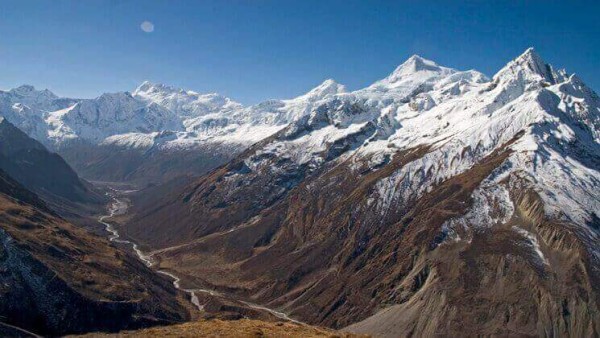
The Annapurna Circuit Trek is one of the most complete trekking experiences in Nepal, circling the entire Annapurna Massif through subtropical valleys, Tibetan-influenced villages, and high alpine desert. The trek begins with a scenic 8- to 10-hour overland drive from Kathmandu to Dharapani (1,860 m), following the Marsyangdi River valley past Besisahar, Jagat, Chamje, and Tal. The journey ends on the Mustang side of the range, with a drive from Muktinath down through the Kali Gandaki Gorge to Tatopani, and a final descent via Ghorepani and Poon Hill to Pokhara. The total Annapurna Circuit trekking distance is approximately 160–230 km, depending on the exact route and side trips chosen.
Table of Contents
Trekking Highlights:
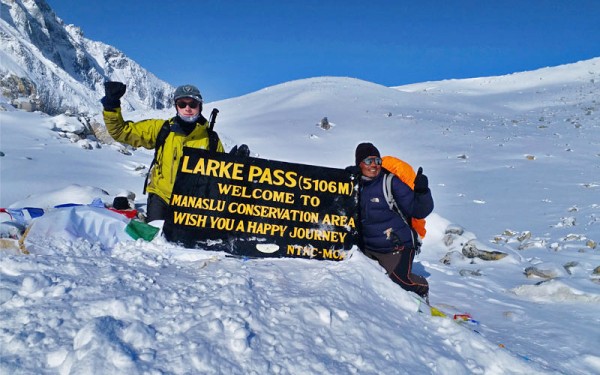
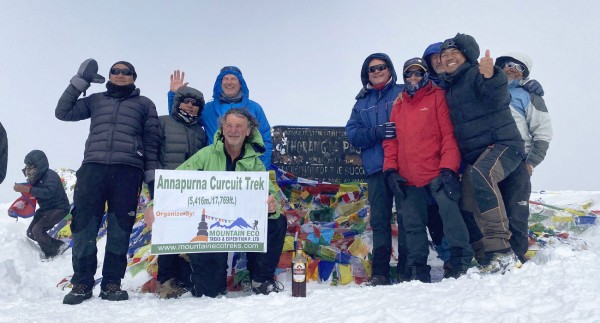
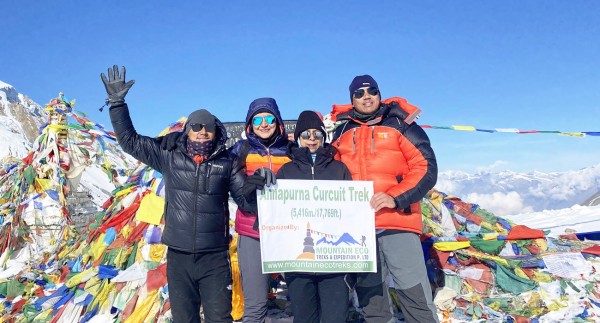
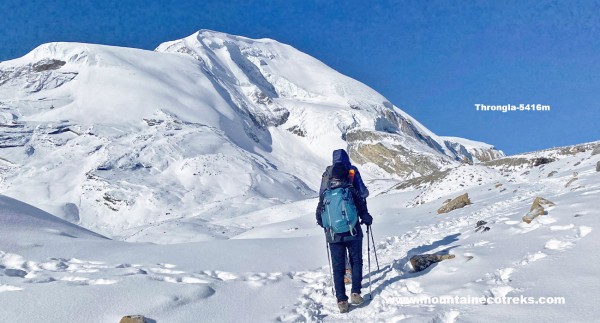
- Cross the legendary Thorong La Pass (5,416 m / 17,769 ft)
- Explore Tibetan-influenced Manang Village (3,519 m) beneath the Gangapurna Glacier
- Visit sacred Muktinath Temple, with its 108 holy water spouts
- Walk through the Kali Gandaki Gorge, the deepest gorge on earth
- Relax in the natural hot springs of Tatopani
- Wander Marpha's apple orchards and traditional Thakali villages
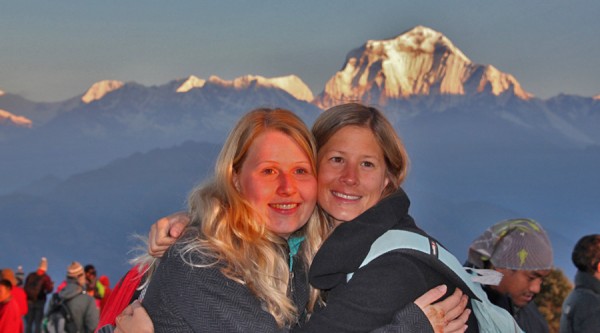
- Watch sunrise over the Annapurna and Dhaulagiri ranges from Poon Hill (3,210 m)
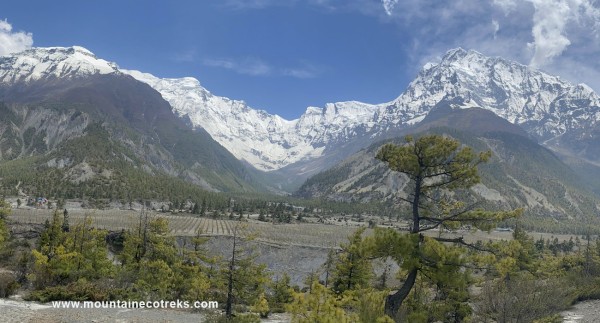
- Trek through subtropical forest, terraced farmland, alpine meadow, and high desert on one continuous route
Trail Conditions and Difficulty
The Annapurna Circuit trail moves from warm, terraced lowlands to a genuine high-altitude crossing at Thorong La, where oxygen levels drop to roughly half of sea-level values. The hardest section is the pre-dawn push over the pass, which demands a steep, cold, early-morning ascent followed by a long descent into Muktinath. Overall the trek is rated moderate to challenging, and no technical climbing skill is required — good general fitness and patience with acclimatization are what matter most.
Food and Accommodation:
- Stay in comfortable teahouses and lodges along the entire route, with twin or single rooms
- Enjoy three meals a day of Dal Bhat, noodles, soups, and Tibetan bread on the trail
- Wi-Fi, hot showers, and charging are available at most teahouses, usually for a small extra charge
Trekking Time and Daily Overview:
- Total trekking time: 12–14 days
- Average daily hike: 5–7 hours
- Average walking distance daily: 9–16 km (6–10 miles)
- Maximum elevation: Thorong La Pass, 5,416 m (17,769 ft)
Transportation:
- Drive from Kathmandu to Dharapani: 8–10 hours (230–240 km)
- Drive from Muktinath to Tatopani: 5–6 hours (70–72 km)
- Final descent from Ghorepani/Poon Hill to Pokhara: road transfer, 5 hours
Best Time to Trek Annapurna Circuit:
- Autumn season (September through November) — best visibility and the most popular season
- Spring season (March through May) — clear skies and blooming rhododendron forests
- Winter and monsoon months bring higher difficulty and are not recommended for most trekkers
Permits and Guide Requirement:
- Annapurna Conservation Area Permit (ACAP)
- TIMS Card (Trekkers' Information Management System)
- A guide is not legally mandatory, but a licensed local guide is strongly recommended for safety and navigation
- Porters are optional and available on request
How Long is the Annapurna Circuit Trek?
The Annapurna Circuit Trek typically takes 12 to 14 days, including the overland drives to and from the trailhead. Mountain Eco Treks runs the route as a well-paced 12-day itinerary, starting with a scenic drive to Dharapani and finishing with the classic Poon Hill sunrise before dropping down to Pokhara.
Important stops along the way include Chame (2,670 m), Upper Pisang (3,300 m), Manang (3,519 m), Yak Kharka (4,050 m), and Thorong High Camp (4,800 m), before the crossing of Thorong La (5,416 m) down to Muktinath (3,760 m). From there the route descends through the Kali Gandaki Gorge to Tatopani (1,190 m), climbs back up to Ghorepani (2,860 m), and finishes at Poon Hill (3,210 m) before the drive into Pokhara.
A single acclimatization day at Manang is built into the itinerary to prepare the body for the altitude gain ahead of Thorong La. This trek offers remote high mountain trails, warm lowland villages, and a genuine cultural crossing between Hindu and Buddhist Nepal. It's best done in spring (Mar–May) or autumn (Sep–Nov) for stable weather and safe passage over the high pass.
Annapurna Circuit Trek Distance, Duration, and Altitude
The full route from Kathmandu to Pokhara covers around 230 km of driving and roughly 130–150 km of actual trekking distance, depending on the side trails taken around Ghyaru and Ngawal. Below is a day-by-day distance, time, and elevation summary based on the standard 12-day itinerary.
| Route | Distance | Time | Altitude |
|---|---|---|---|
| Kathmandu – Dharapani (drive) | 230 km | 9–10 hrs | 1,860 m |
| Dharapani – Chame | 15.5 km | 5–6 hrs | 2,670 m |
| Chame – Upper Pisang | 16 km | 5–6 hrs | 3,300 m |
| Pisang – Manang | 15 km | 5–6 hrs | 3,540 m |
| Manang (acclimatization) | — | — | 3,540 m |
| Manang – Yak Kharka | 10 km | 4–5 hrs | 4,018 m |
| Yak Kharka – Thorong High Camp | 7 km | 5–6 hrs | 4,800–4,925 m |
| High Camp – Thorong La – Muktinath | 15–16 km | 7–9 hrs | 5,416 m → 3,760 m |
| Muktinath – Tatopani (drive) | 70–72 km | 5–6 hrs | 1,190 m |
| Tatopani – Ghorepani | 16–17 km | 7–8 hrs | 2,840–2,860 m |
| Ghorepani – Poon Hill – Pokhara | — | 7–9 hrs | 3,210 m → 822 m |
Annapurna Circuit Trek Itinerary with Distance and Elevation: Daily Route Plan
How Many Acclimatization Days Do I Need on the Annapurna Circuit?
At minimum, one full rest day at Manang (3,519 m) is built into every well-planned Annapurna Circuit itinerary. This is your body's chance to adjust before the push toward Thorong High Camp and the pass itself. It is not a day of doing nothing — most trekkers use it for an optional hike up to Ice Lake (4,600 m) or Gangapurna Lake, and to attend the free altitude briefing offered by the Himalayan Rescue Association post in the village.
- Don't skip the Manang acclimatization day — it is your best insurance against altitude sickness at Thorong La.
- Trekkers who feel unwell at Yak Kharka or High Camp should consider a second rest day rather than pushing on.
- Proper acclimatization on the Annapurna Circuit increases both safety and enjoyment at the pass.
Are You Planning Some Side Trips During the Annapurna Circuit?
Allocate extra days for side trips
If you have a few extra days, the Annapurna Circuit region rewards a slower pace with these options:
- Option 1: Ice Lake (4,600 m) – A half-day side hike from Manang, roughly 4–5 hours round trip. The lake offers sweeping views over the Annang Valley and a serious acclimatization boost before continuing higher.
- Option 2: Tilicho Lake (4,919 m) – A multi-day detour from Manang via Shree Kharka and Tilicho Base Camp. One of the highest lakes in the world, it adds real distance and altitude but is a major highlight for trekkers with extra time. Mountain Eco Treks also runs a dedicated Annapurna Circuit with Tilicho Lake Trek for travelers who want to combine both routes.
Both options add acclimatization value as well as scenery. Ice Lake is a shorter, lower-commitment add-on; Tilicho Lake is a serious extension best suited to trekkers with a few spare days and strong fitness. Start early, carry layers, water, and snacks, and check conditions with your guide before setting out.
Allocate Extra Days for Unforeseen Circumstances
It's wise to build 1–2 buffer days into any Annapurna Circuit plan. The trek covers well over 150 km of walking and a high point at Thorong La (5,416 m), and a few things can affect the schedule:
- Weather delays are possible, especially around Manang and Thorong High Camp. Snow can close the pass for a day or more during shoulder-season trips.
- Altitude symptoms can slow the pace above 3,500 m, particularly between Yak Kharka and High Camp, sometimes requiring an extra rest day.
- Road conditions on the Kathmandu–Dharapani or Muktinath–Tatopani drives can occasionally cause delays after heavy rain or landslides.
- Minor medical issues or fatigue may call for a short extra rest day, most commonly taken in Manang.
- A couple of spare days reduces stress and keeps the trip flexible without threatening your return flight home.
One More Day for Kathmandu or Pokhara Sightseeing
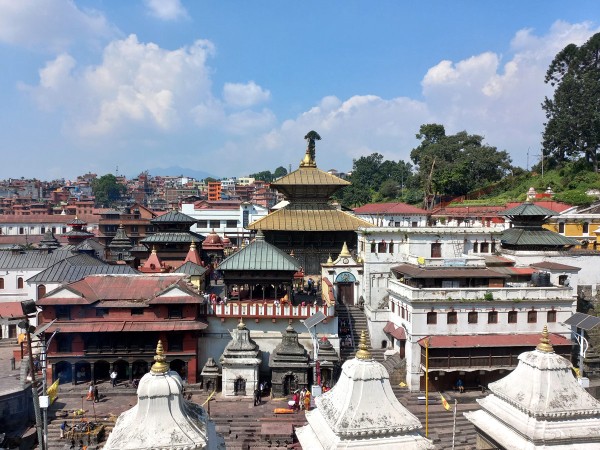
Many trekkers add a day in Kathmandu before or after the trek to visit the city's UNESCO World Heritage Sites — Kathmandu Durbar Square, Swayambhunath (the Monkey Temple), Boudhanath Stupa, and Pashupatinath Temple are all a short drive from Thamel. On the Pokhara side, an extra evening on the shores of Phewa Lake in Lakeside is a relaxed way to close out the trek before flying home. Both additions pair naturally with the Annapurna Circuit Trek itinerary and can be added either before departure or after the trek wraps up in Pokhara.
How Long is the Drive from Kathmandu to Dharapani?
The drive from Kathmandu to Dharapani covers roughly 230–240 km and typically takes 8 to 10 hours, depending on traffic and road conditions. The route follows the Prithvi Highway west before turning north through Besisahar into the Marsyangdi River valley, passing Jagat, Chamje, and Tal before reaching Dharapani (1,860 m) — the official start of the trekking trail. The road becomes progressively narrower and rougher past Besisahar, offering a scenic introduction to rural Nepal before the trekking begins.
How Long is the Drive from Muktinath to Pokhara?
After crossing Thorong La and reaching Muktinath (3,760 m), most itineraries continue by jeep or bus through the dramatic Kali Gandaki Gorge — the deepest gorge on earth — via Jomsom, the apple-orchard town of Marpha, and Kalopani, arriving at Tatopani (1,190 m) in about 5 to 6 hours over 70–72 km. From Tatopani, trekkers walk back up to Ghorepani and Poon Hill before a final road transfer of around 5 hours down to Pokhara, where the trek officially ends on the shores of Phewa Lake.
Final Words
The Annapurna Circuit Trek covers roughly 160–230 km depending on route and side trips, and takes 12 to 14 days for most trekkers, including one essential acclimatization day at Manang. The trek's defining moment is the crossing of Thorong La (5,416 m), which requires a gradual, well-planned ascent for safety.
Add two travel days by road — Kathmandu to Dharapani at the start, and Muktinath to Pokhara via Tatopani and Ghorepani at the end — plus 1–2 buffer days in case of weather delays or extra rest. A day or two of sightseeing in Kathmandu or by Phewa Lake in Pokhara rounds out the trip nicely.
Overall, budget for around 14 to 16 days for the full, comfortable experience of the Annapurna Circuit. This window gives you proper acclimatization, safer trekking over Thorong La, and enough room for Poon Hill's sunrise, Muktinath's temples, and a bit of downtime before you fly home.
Mountain Eco Treks & Expedition runs the Annapurna Circuit Trek as a 12-day guided itinerary with experienced local guides, full permit arrangement (ACAP and TIMS), and both Standard and Budget service packages — so you can plan your own Annapurna Circuit with confidence.
FAQs: "How Long is the Annapurna Circuit Trek?"
1. What is the standard duration of the Annapurna Circuit Trek?
The Annapurna Circuit Trek usually takes 12 to 14 days, including drives from Kathmandu and back to Pokhara. This allows for one acclimatization day, high-altitude villages, and the Thorong La crossing. Most trekkers with Mountain Eco Treks follow the 12-day itinerary.
2. How long is the Annapurna Circuit trekking distance?
The trekking distance covers roughly 130–150 km on foot, out of a total route distance of 160–230 km including road sections. You'll cover this over 10–12 days of walking, with daily stretches ranging from 7 km to 24 km depending on terrain and altitude.
3. What is the total distance from Kathmandu to Kathmandu?
Including the Kathmandu–Dharapani drive, the trekking days, and the return drive from Pokhara, the full round trip covers roughly 500–550 km. This includes road transfers on both ends of the trek.
4. How many acclimatization days do I need for the Annapurna Circuit?
At least one full rest day at Manang (3,519 m) is essential before crossing Thorong La (5,416 m). Trekkers who feel the altitude may want a second rest day, most commonly taken at Manang or Yak Kharka.
5. Can solo trekkers do the Annapurna Circuit?
Yes. A guide is not legally required on the Annapurna Circuit, and solo trekking is permitted. That said, a licensed local guide is strongly recommended for safety, navigation, and a richer cultural experience along the trail.
6. Is a guide mandatory for the Annapurna Circuit Trek?
No, unlike some restricted areas in Nepal, a guide is not legally mandatory here. Mountain Eco Treks still recommends trekking with an experienced, NTB-certified guide for safety around Thorong La.
7. When is the best time to do the Annapurna Circuit Trek?
The best seasons are autumn (September to November) for the clearest skies and most stable trail conditions, and spring (March to May) for blooming rhododendron forests. Winter and monsoon months carry higher risk and are best avoided.
8. How difficult is the Annapurna Circuit Trek?
The trek is rated moderate to challenging. Daily walks average 5 to 7 hours, and the toughest single day is the early-morning crossing of Thorong La (5,416 m). No technical climbing is required, but solid fitness and patience with altitude are essential.
9. What permits are required for the Annapurna Circuit Trek?
You need the Annapurna Conservation Area Permit (ACAP) and a TIMS card. Mountain Eco Treks arranges both permits as part of every Annapurna Circuit Trek package.
10. How long is the drive from Kathmandu to Dharapani?
The drive takes about 8 to 10 hours over roughly 230–240 km, following the Prithvi Highway and the Marsyangdi River valley through Besisahar to Dharapani, where the trek begins.
11. How long is the drive from Muktinath to Pokhara?
After crossing Thorong La, it's about 5–6 hours by jeep or bus from Muktinath to Tatopani through the Kali Gandaki Gorge, followed by a walk to Ghorepani and Poon Hill, and a final road transfer of roughly 5 hours into Pokhara.
12. What should I pack for the Annapurna Circuit Trek?
Pack layered clothing, a down jacket rated to at least -10°C, waterproof trekking boots, trekking poles, a headlamp, sunglasses, sunscreen, water purification, and a basic first-aid kit including altitude sickness medication. It gets extremely cold at Thorong La (5,416 m).
13. Are side trips possible during the Annapurna Circuit Trek?
Yes. Popular side trips include Ice Lake and Tilicho Lake from Manang. These add extra acclimatization value and some of the best scenery on the whole route, and can be booked as extensions to the standard itinerary.
14. What is the highest point on the Annapurna Circuit Trek?
The highest point is Thorong La Pass at 5,416 m. From the top, trekkers get sweeping views of the Annapurna and Mustang Himalayas before descending toward Muktinath.
15. How much does the Annapurna Circuit Trek cost?
Budget trekkers typically spend $35–$60 USD per day on the trail. A full guided package including permits, accommodation, meals, and a guide generally runs $1,150–$1,800 USD, excluding international flights. Mountain Eco Treks offers both Standard and Budget packages for its 12-day Annapurna Circuit Trek.
16. Is altitude sickness a concern on the Annapurna Circuit?
Yes, particularly approaching Thorong La. Walk slowly, stay hydrated, rest at Manang, and watch for symptoms. Guides carry a pulse oximeter and first-aid kit to monitor trekkers' health throughout the trip.
17. What kind of accommodation is available on the Annapurna Circuit?
Teahouses and lodges are available at every stop along the route, offering twin or single rooms with basic but comfortable facilities. Hot showers and Wi-Fi are usually available for a small extra fee.
18. Do I need travel insurance for the Annapurna Circuit Trek?
Yes. Insurance covering high-altitude trekking above 5,000 m and emergency helicopter evacuation is essential — rescue flights in the Annapurna region can cost $5,000–$7,000 USD.
19. How should I prepare physically for the Annapurna Circuit Trek?
Start training 2–3 months ahead with cardio, leg-strengthening exercises, and loaded hikes. Good baseline fitness makes both the daily walking and the Thorong La crossing far more enjoyable.
20. Can I add extra days in Kathmandu or Pokhara around the trek?
Yes. Many trekkers add a day in Kathmandu for UNESCO World Heritage Sites before or after the trek, and an extra evening by Phewa Lake in Pokhara to relax once the trek is complete.
Recent From Blog

19th Apr, 2019


23rd Dec, 2018

11th Jan, 2024

14th Jan, 2024

29th Jan, 2025

11th Feb, 2025

18th Feb, 2025

25th Feb, 2025

5th Apr, 2025
23rd Dec, 2025
9th May, 2026
12th Jul, 2026

13th Aug, 2026
13th Aug, 2026
13th Aug, 2026

16th Aug, 2026
20th Aug, 2026